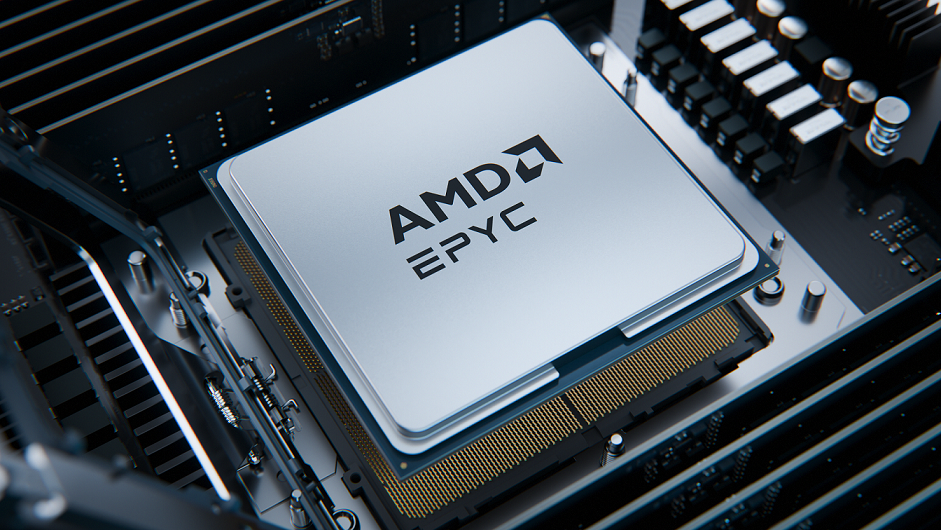
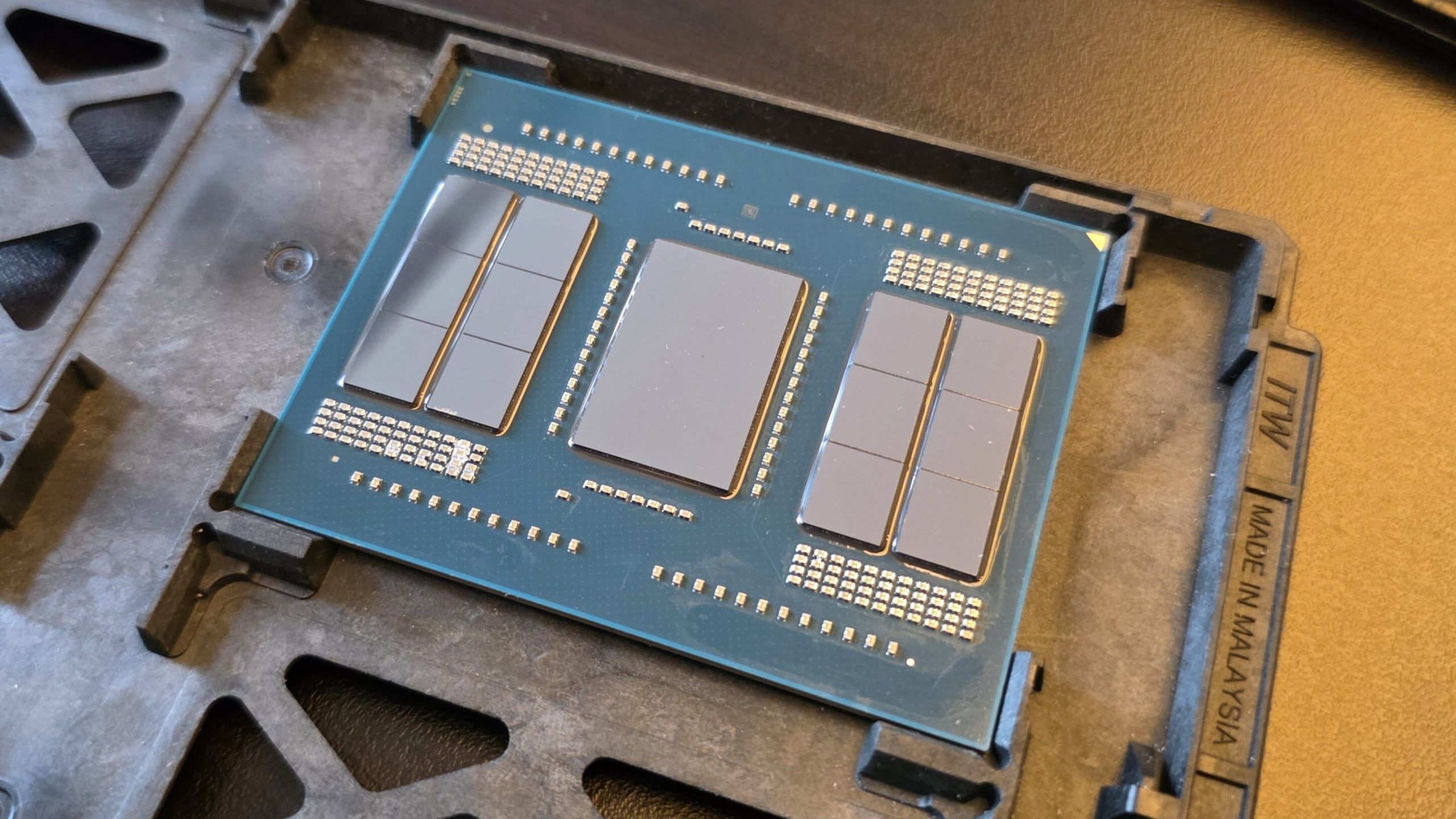
AMD’s Venice-X CPU is launching in the second half of 2027, the company revealed Thursday at its Advancing AI event. The CPU is built on the same Zen 6 microarchitecture as Venice SP7, which AMD says is now in production
JEDEC has released its new specification that aims to push down the pricing of the ultra-expensive HBM that powers the fastest AI processors. While the new standard will not help relieve the DRAM shortage as it uses large HBM4 DRAM devices
We've already heard quite a lot about AMD's next-generation EPYC processors, code-named Venice, and we've heard a fair bit about the consumer Zen 6 parts, too, particularly in their Olympic Ridge and Medusa Point guises.
Probably the most important processor in PC history was introduced on this day 48 years ago. June 8, 1978, marked the birth of the x86 architecture with the arrival of the 16-bit Intel 8086 CPU. This lineage continues to the majority of PCs today, almost half a century later.
In late 2024, China-based ChangXing Memory Technologies (CXMT) began producing DDR5 modules aimed at the consumer market. Since then, the company has even laid out a roadmap that currently puts its max DDR5 capabilities at 8,000 MT/s across 16 Gb and 24 Gb densities.
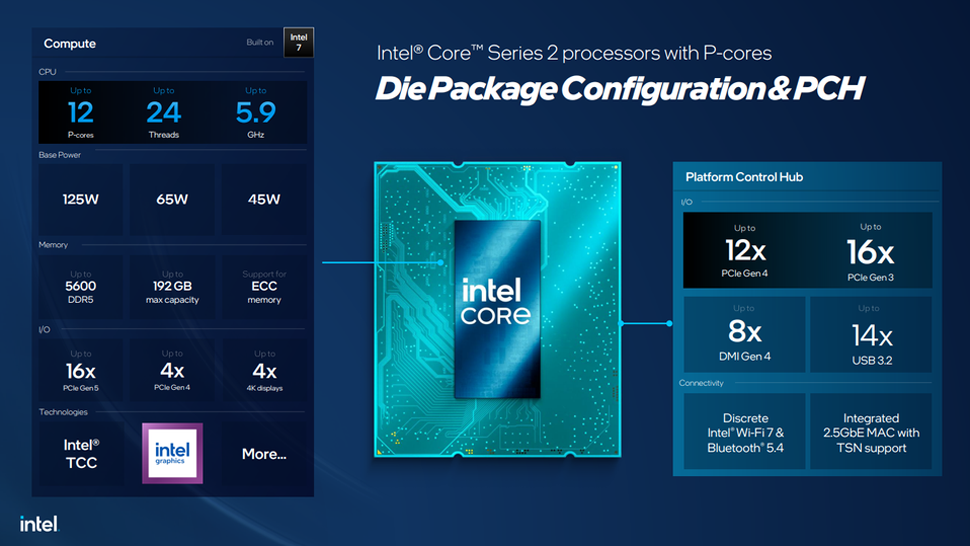
Bartlett Lake is one of Intel's most unique CPU lineups to date, featuring a P-core-only design based on Raptor Cove. But what caught everyone's attention was the flagship's 12 P-core configuration, featuring four more P-cores than any hybrid Intel CPU Intel has made so far.
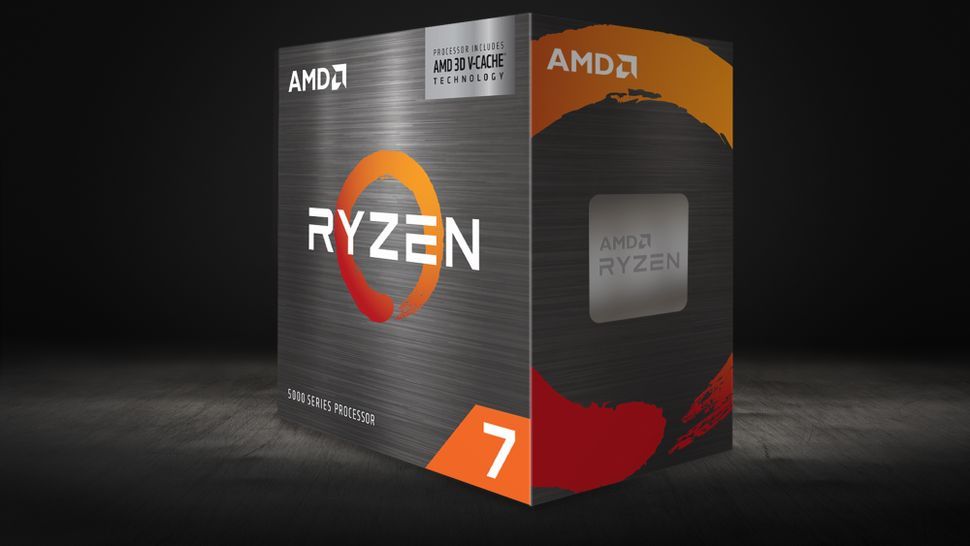
The old must give way to the new, but in the world of hardware, gaming legends don't fade away easily. The Ryzen 7 5800X3D, once celebrated as the gaming king and one of the best CPUs for gaming of its generation, is reportedly making a comeback.
Arm's introduction of its AGI CPU last week was an expected yet, still a milestone event that marked the transformation of Arm from a technology IP licensor into a supplier of standard CPUs competing directly with AMD, Ampere, and Intel.
SK Group chairman Chey Tae-won told reporters at Nvidia's GTC conference in San Jose on Monday that the global memory chip shortage is likely to persist for another four to five years, with industry-wide wafer supply lagging demand by more than 20%
Intel has finally introduced its long-rumored Bartlett Lake CPUs, which use a P-core-only design with up to 12 cores and are compatible with the LGA 1700 socket used on 12th- to 14th-Gen Intel chips.
Intel expects its Core Ultra series 4 processors, codenamed Nova Lake, to change its fortunes on the desktop and laptop markets and finally offer performance that is higher compared to direct competitors from AMD.
Amidst the dire and ongoing RAM shortage, there's a tiny sliver of hope stemming from Germany, where DDR5 prices have "come to a complete halt," according to 3DCenter.org's recent analysis.